
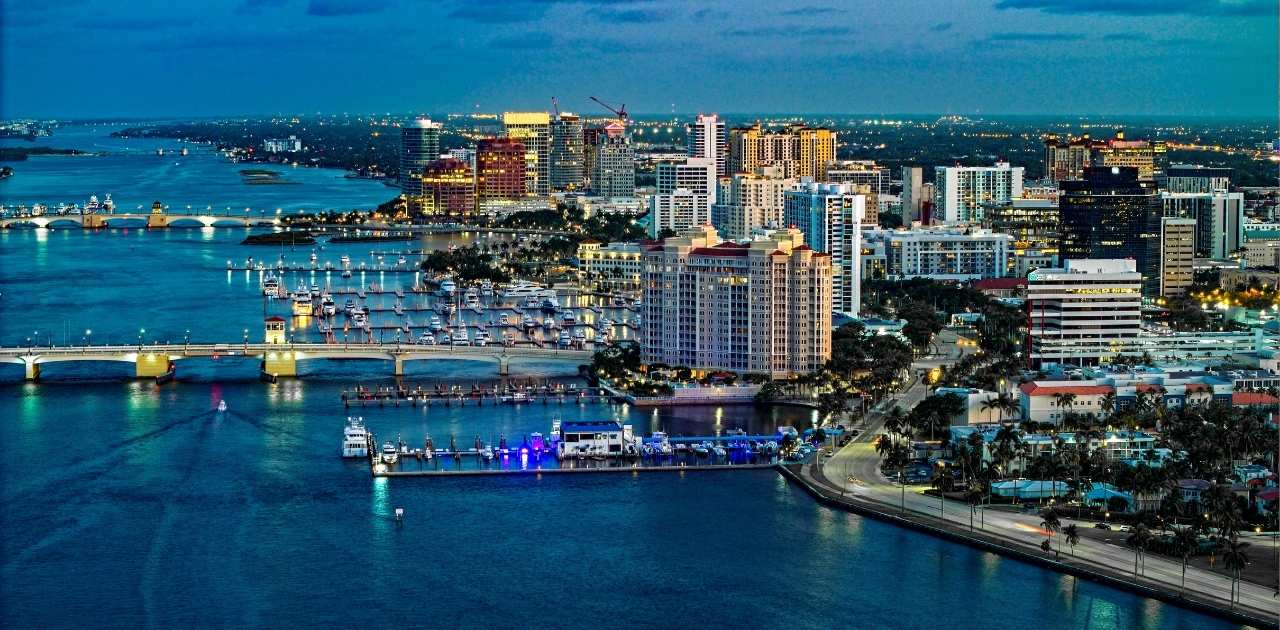
Moving into downtown West Palm Beach can feel exciting for all the right reasons. You are close to restaurants, nightlife, waterfront events, and the walkable energy around Clematis Street. The city’s own community events page describes Clematis by Night as a weekly Thursday concert series held from 6 to 9 p.m. on the Great Lawn in downtown West Palm Beach, which says a lot about the kind of lifestyle many renters are looking for here.
But the first month in a new rental can cost more than people expect. Rent is only the beginning. Between deposits, partial-month rent, small repairs, furniture, utilities, parking, and move-in supplies, the real upfront cost can rise quickly. That matters in a city where the U.S. Census Bureau reports a 2020-2024 median gross rent of $1,772 in West Palm Beach. The same Census profile lists median household income at $73,446, which means renters should be especially careful about cash flow before signing a lease.
Start with the move-in date
One of the easiest costs to overlook is prorated rent. Many leases do not begin neatly on the first day of the month. A tenant may get the keys on the 12th, 18th, or 25th, especially in a competitive rental market where units turn over quickly.
That partial first month should be calculated clearly. Tenants should know whether the landlord is using a daily rate based on a 30-day month, the actual number of days in the month, or another lease-specific method. Landlords should also spell this out to avoid confusion at move-in. A prorated rent calculator can help both sides check whether the first payment matches the lease dates.
For tenants, the key is simple: never budget only for the advertised monthly rent. Ask for the exact first-month amount in writing before move-in day.
Security deposits and advance rent
Security deposits are another major upfront cost. In Florida, state law treats deposit money and advance rent as regulated funds. The Florida Department of Agriculture and Consumer Services explains that if a landlord does not plan to make a claim on the security deposit, it must generally be returned within 15 days after the tenant leaves. If the landlord intends to impose a claim, written notice must generally be given within 30 days.
Florida Statutes also define “security deposits” broadly as money held by the landlord as security for the tenant’s performance under the rental agreement, including possible monetary damage caused by a breach of lease.
For a new renter, this means the deposit should not be treated as spare money. It is cash locked away for the duration of the tenancy. For landlords, it is important to document the property condition before the tenant moves in. Photos, signed checklists, and written notes can prevent arguments later.
Small upgrades before move-in
Many downtown rentals are perfectly livable but still need small improvements before they feel like home. A tenant may want a removable backsplash, patio refresh, storage upgrade, or better bathroom flooring. A landlord may want to replace worn tile before listing the unit, especially if the property is close to downtown dining, nightlife, or waterfront attractions.
Tile work is a good example of a cost that looks small until materials, waste, labor, grout, trim, and delivery are included. Before buying anything, estimate the square footage carefully. A simple tile calculator can help estimate how many tiles are needed for a bathroom, kitchen, entryway, or balcony project.
The practical rule is to separate cosmetic upgrades from necessary repairs. Tenants should avoid spending heavily on improvements they cannot take with them unless the lease allows it or the landlord agrees in writing. Landlords should decide whether an upgrade will actually help the unit rent faster or justify the cost.
Utility and lifestyle costs
Downtown living can reduce some costs, especially if a renter can walk to restaurants, events, or nearby services. Clematis Street’s guide to West Palm Beach highlights the area’s restaurants, nightlife, entertainment, and local activities, which are part of the appeal.
But convenience does not mean free. Renters should ask about electricity, water, trash, internet, parking, pet fees, building access fees, and renters’ insurance before signing. In a downtown setting, parking can be especially important. A cheaper apartment with expensive parking may not be cheaper after all.
The best approach is to create a first-month budget that includes both lease costs and lifestyle costs. Groceries, dining out, ride-sharing, furniture, cleaning supplies, and small household items can easily add several hundred dollars to the first month’s cost.
Borrowing for move-in costs
Some tenants and landlords use short-term borrowing to cover deposits, repairs, furniture, or upgrades. That can be reasonable, but only if the interest cost is understood before borrowing.
For example, paying for a small repair with borrowed money may make sense if it helps a landlord avoid vacancy. A tenant may also need short-term financing to manage overlapping rent dates. But interest changes the real cost. A simple interest calculator can help estimate what borrowing will cost over a set period.
The mistake is treating borrowed money as if it were the same as cash. It is not. The repayment date, interest rate, and fees should all be part of the move-in budget.
Final checklist before move-in
Before moving into a downtown West Palm Beach rental, ask for the full first-month payment breakdown. Confirm the rent, prorated rent, deposit, utilities, parking, pet fees, and any building charges. Walk through the unit before signing the move-in condition form. Take photos. Keep receipts. If improvements are planned, estimate materials before buying.
Downtown West Palm Beach can be a great place to live, but the first month should not be a financial surprise. The renters and landlords who plan carefully are the ones most likely to enjoy the move instead of spending the first few weeks sorting out avoidable costs.






Leave A Comment