Choosing the right roof for your home or business is a crucial decision that impacts not only aesthetics but also durability, energy efficiency, and long-term maintenance costs. Various roofing materials and styles offer unique benefits and drawbacks, making it essential to evaluate them carefully. Below, we explore the most common roof types, discussing their advantages and disadvantages to help you make an informed decision.
Asphalt Shingles
Advantages
Asphalt shingles are the most popular roofing material in North America due to their affordability and ease of installation. They are available in a wide range of colors and styles, allowing homeowners to customize their appearance. Asphalt shingles also provide adequate protection against different weather conditions, including rain and moderate wind.
Disadvantages
Despite their popularity, asphalt shingles have a shorter lifespan compared to other materials, typically lasting 20–30 years. They are also prone to damage from extreme heat, leading to faster deterioration in hot climates. Additionally, asphalt shingles are not the most environmentally friendly option, as they contribute to landfill waste when replaced.
Metal Roofing
Advantages
Metal roofs offer excellent durability, with lifespans ranging from 40 to 70 years. They are highly resistant to harsh weather conditions, including strong winds, heavy snowfall, and even fire. Metal roofs are also energy-efficient, reflecting heat instead of absorbing it, which helps reduce cooling costs in the summer.
Disadvantages
One of the main drawbacks of metal roofing is its cost. The initial investment is significantly higher than asphalt shingles, though it pays off in longevity. Metal roofs can also be noisy during heavy rain or hail, which may be a concern for some homeowners. Additionally, improper installation can lead to issues like water leaks and rusting over time.
Clay and Concrete Tiles
Advantages
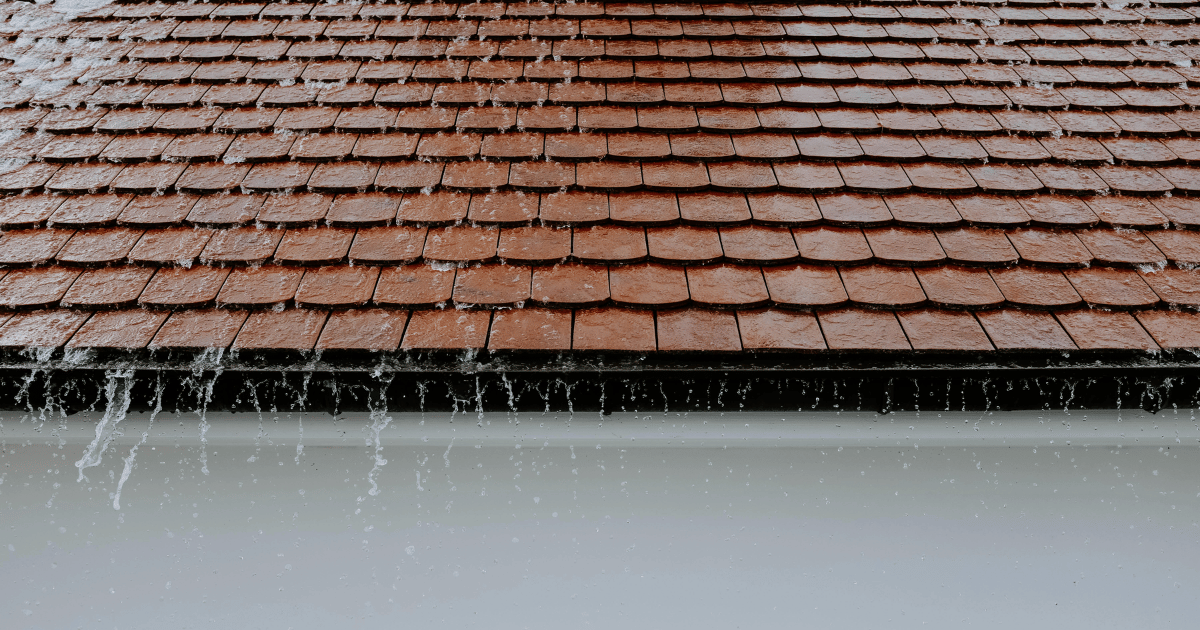
Clay and concrete tiles are known for their exceptional durability and unique appearance, often seen in Mediterranean and Spanish-style homes. These tiles can last over 50 years with proper maintenance. They are fire-resistant, energy-efficient, and can withstand extreme weather conditions, making them ideal for regions with hot climates.
Disadvantages
The weight of clay and concrete tiles is a significant concern, as they require additional structural support. Installation costs are also high, both due to the material itself and the labor-intensive process. Additionally, while durable, these tiles can break under heavy impact, requiring occasional repairs.
Slate Roofing
Advantages
Slate is one of the most long-lasting roofing materials, with a lifespan that can exceed 100 years. It provides a classic, elegant look and is highly resistant to fire, mold, and mildew. Slate is also environmentally friendly, as it is a natural material that requires minimal processing.
Disadvantages
The primary disadvantage of slate roofing is its high cost. Both the material and installation require a significant financial investment. Like clay tiles, slate is heavy and may need additional structural reinforcement. Additionally, the slate is brittle and can break under excessive force, making maintenance and repairs challenging.
Wood Shingles and Shakes
Advantages
Wood shingles and shakes for roof replacement offer a natural, rustic appearance that enhances the aesthetic appeal of a home. They provide good insulation, helping regulate indoor temperatures. With proper maintenance, wood roofs can last 30–50 years, making them a relatively durable option.
Disadvantages
One major concern with wood roofing is its vulnerability to fire, though treated wood shingles can reduce this risk. They also require regular maintenance to prevent issues like rot, mold, and insect infestations. Additionally, wood roofs are prone to warping and splitting over time, especially in humid climates.
Flat Roofing
Advantages
Flat roofs are commonly used in commercial buildings but are also an option for residential properties. They are cost-effective, requiring fewer materials and less labor than pitched roofs. Flat roofs provide additional usable space, which can be transformed into rooftop gardens or outdoor lounges.
Disadvantages
Drainage is a major issue with flat roofs, as water can pool and lead to leaks or structural damage. They also require frequent maintenance to prevent water-related issues. The lifespan of flat roofing materials varies, with some lasting only 10–20 years before requiring replacement.
Green Roofs
Advantages
Green roofs, which feature vegetation planted over a waterproof membrane, offer excellent insulation and energy efficiency. They help reduce urban heat islands, improve air quality, and extend the lifespan of the roofing structure by protecting it from environmental damage.
Disadvantages
The initial cost of installing a green roof is high, as it requires additional waterproofing and structural reinforcement. Maintenance can also be demanding, as plants need regular care and irrigation. Additionally, green roofs are not suitable for all climates and require careful planning to ensure their success.
Choosing the Right Roof Type
When selecting a roofing material, consider factors such as climate, budget, maintenance requirements, and architectural style. Here’s a quick comparison of key considerations:
- Durability: Slate and metal roofs last the longest, while asphalt shingles have a shorter lifespan.
- Cost: Asphalt shingles are budget-friendly, while slate and clay tiles are expensive.
- Maintenance: Metal and slate roofs require minimal upkeep, while wood and flat roofs need regular maintenance.
- Aesthetic Appeal: Slate, wood shakes, and clay tiles offer distinct visual appeal, while metal and asphalt shingles provide versatile style options.
The Role of Roof Replacement
Regardless of the roofing material, every structure will eventually require roof replacement due to natural wear and tear, storm damage, or outdated materials. When considering a replacement, it is essential to evaluate factors such as long-term costs, energy efficiency, and the suitability of the material for your region. Investing in high-quality materials can enhance the lifespan of your new roof while improving your home’s value and performance.
Conclusion
Each roofing material offers unique benefits and challenges, making it crucial to choose one that aligns with your budget, climate, and maintenance capacity. While asphalt shingles remain the most common choice for affordability, materials like metal, slate, and clay tiles offer enhanced longevity and performance. Whether you are building a new home or planning a roof replacement, considering these advantages and disadvantages will help you make a well-informed decision.