What homeowners need to know before they replace a single shingle.
Replacing a roof in the Historic Northwood District is not like replacing a roof anywhere else in West Palm Beach. The homes here — most built between the 1920s and 1950s — sit inside a locally designated historic district, which means any exterior work visible from the street requires approval before a single permit can be pulled. Skip that step and you risk stop-work orders, fines, and being forced to undo the work you already paid for.
The good news: once you understand how the process works, it is straightforward. This guide walks you through the approval sequence, the materials that are approved, what the project will cost, and the questions to ask every contractor before you sign anything.
Why Northwood Is Different From the Rest of West Palm Beach
The Historic Northwood District carries local historic designation from the City of West Palm Beach. That designation protects the neighborhood’s architectural character — Mediterranean Revival, Mission, Craftsman Bungalow, and Masonry Vernacular styles that defined South Florida’s 1920s building boom.
For homeowners, designation means one extra layer of approval: a Certificate of Appropriateness (COA) from the City’s Historic Preservation Board. The COA confirms that your proposed replacement material is consistent with the historic character of the structure and the district. Without it, the building department will not issue a roofing permit.
|
Approved Roofing Materials for Historic Northwood Properties
Roof material selection in Northwood starts with the City’s Historic Preservation Design Guidelines, not your contractor’s catalog. The guidelines evaluate materials based on how closely they match the original in color, texture, profile, and reflectivity. Here is how the main categories break down.
Straightforward Approvals
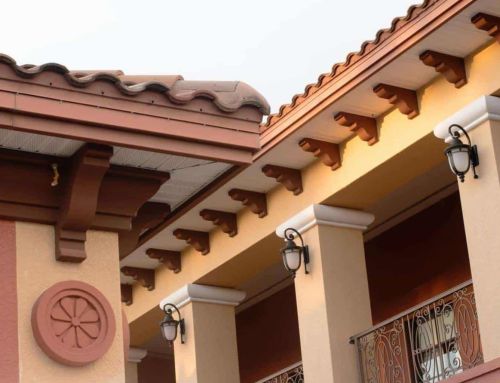
- Clay barrel tile — the standard for Mediterranean Revival and Mission-style homes. Terracotta, buff, or aged red tones are the baseline of appropriateness.
- Concrete tile matching original clay profile and color — approved where original clay is unavailable or cost-prohibitive.
- Architectural asphalt shingles (30-year minimum) — approved for Craftsman Bungalow and Masonry Vernacular structures. Color must align with the historic palette.
Requires Board Review
- Synthetic slate or tile products (DaVinci, CertainTeed Matterhorn) — approved if profile, color, and reflectivity closely replicate the original. Samples required at submission.
- Standing seam metal — approved on accessory structures and secondary roof planes. Permitted on primary roofs only where metal was a documented original material.
Not Approved
- Standard 3-tab asphalt shingles (profile too thin)
- High-gloss metal panels (reflectivity inconsistent with historic character)
- Exposed aggregate or gravel-ballasted roofing on any visible section
The Roof Permit Process: Two Approvals, in Order
A Northwood roof replacement requires two separate approvals managed by two different city departments. They must happen in sequence — COA first, building permit second.
- Schedule a pre-application meeting with the City of West Palm Beach Historic Preservation Office. Free, takes about 30 minutes, and prevents material rejections later. Book at least 3–4 weeks before your planned start.
- Submit your Certificate of Appropriateness application to the Historic Preservation Board. Include existing roof photos, the proposed material spec sheet, manufacturer color samples, and the Florida Product Approval (FPA) number. Like-for-like replacements are often processed administratively within 10–15 business days.
- Receive COA approval. Do not submit the building permit application or sign a final contract until this is in hand.
- Your licensed contractor submits the building permit application to the City of West Palm Beach Building Department, including the COA approval letter.
- Coordinate mid-roof inspection (underlayment and decking visible) and final roof inspection. Your contractor should manage both directly with the building department.
- After final inspection, hire a licensed wind mitigation inspector to complete the Florida OIR-B1-1802 form and submit it to your insurer within 30 days. This is how you convert your new roof into lower insurance premiums.
What Does a Roof Replacement Cost in Northwood?
Historic district premiums run 10–25% above standard Palm Beach County rates, driven by extended permitting timelines, approved material requirements, and additional contractor admin time for the COA process. Based on Q1 2026 West Palm Beach roof contractor pricing for a 2,000 sq ft single-family home:
|
Roof Material |
Standard Cost |
Historic Total |
|
Clay Barrel Tile |
$18,000–$24,000 |
$20,700–$30,000 |
|
Concrete Tile (matching profile) |
$14,000–$19,000 |
$16,100–$22,800 |
|
Architectural Asphalt Shingle |
$12,000–$16,000 |
$13,200–$18,400 |
|
Synthetic Slate / Tile |
$16,000–$22,000 |
$18,400–$26,400 |
Budget an additional $800–$1,500 for the wind mitigation inspection and OIR-B1-1802 filing. That cost typically pays for itself in the first year of insurance savings.
Insurance: What a New Roof Actually Does for Northwood Homeowners
Most homes in the Historic Northwood District were built before 1994 — before the Florida Building Code’s modern wind-load requirements took effect. Insurance carriers treat pre-1994 construction with heightened scrutiny, often applying surcharges to aging roofs or limiting coverage to actual cash value instead of replacement cost.
A compliant new roof changes that. Here is what Northwood homeowners typically see after a properly documented replacement:
- Age surcharges removed — Citizens Property Insurance and most private carriers eliminate the surcharge applied to roofs over 15 years old.
- Wind premium reduction of 20–30% — hip roofs, common on Northwood’s Mediterranean Revival homes, qualify for the full roof shape credit on the OIR-B1-1802 wind mitigation form.
- Replacement cost value (RCV) coverage restored — carriers that downgraded aging roofs to actual cash value typically restore full RCV after a compliant new installation.
- Citizens eligibility maintained — roofs over 20 years old trigger non-renewal notices under Citizens’ Coastal Account. A new roof removes that risk entirely.
7 Questions to Ask Before You Sign Any Contract
Standard contractor vetting does not cover historic district compliance. These questions are specific to Northwood.
- Have you completed roof replacements inside the Historic Northwood District specifically? Ask for project references with permit numbers you can verify.
- Will you manage the COA application, or does that fall on me? Experienced historic contractors handle the COA as part of scope. If they don’t, that’s a red flag.
- What is your Florida Certified Roofing Contractor license number? Verify it at myfloridalicense.com before signing anything.
- What is the Florida Product Approval (FPA) number for the material you’re recommending? No FPA number means it cannot be permitted in Palm Beach County.
- What underlayment system are you specifying? FBC 2023 requires self-adhered synthetic underlayment in high-velocity hurricane zones. If they say felt paper, walk away.
- Do you coordinate mid-roof and final inspections directly with the building department? The answer should always be yes.
- Will you provide a wind mitigation inspection report after completion? This is how you claim your insurance discount — a good contractor makes it easy.
The Bottom Line
Roof replacement in the Historic Northwood District rewards homeowners who plan ahead. The COA process adds time — typically 2–4 weeks — but it is straightforward once you know the sequence. The right contractor, the right material, and a completed wind mitigation report turn a significant expense into a long-term win: a compliant roof, a protected home, and lower insurance premiums year after year.
If you are starting the process, schedule your pre-application meeting with the City of West Palm Beach Historic Preservation Office first. Everything else follows from there.
—
Sources: City of West Palm Beach Historic Preservation Office · Florida Building Code 2023 · Florida Roofing and Sheet Metal Contractors Association (FRSA) · Florida OIR Wind Mitigation Data · myfloridalicense.com